
Hurricane Season Isn't What You Think: A Rational Guide for New Florida Residents
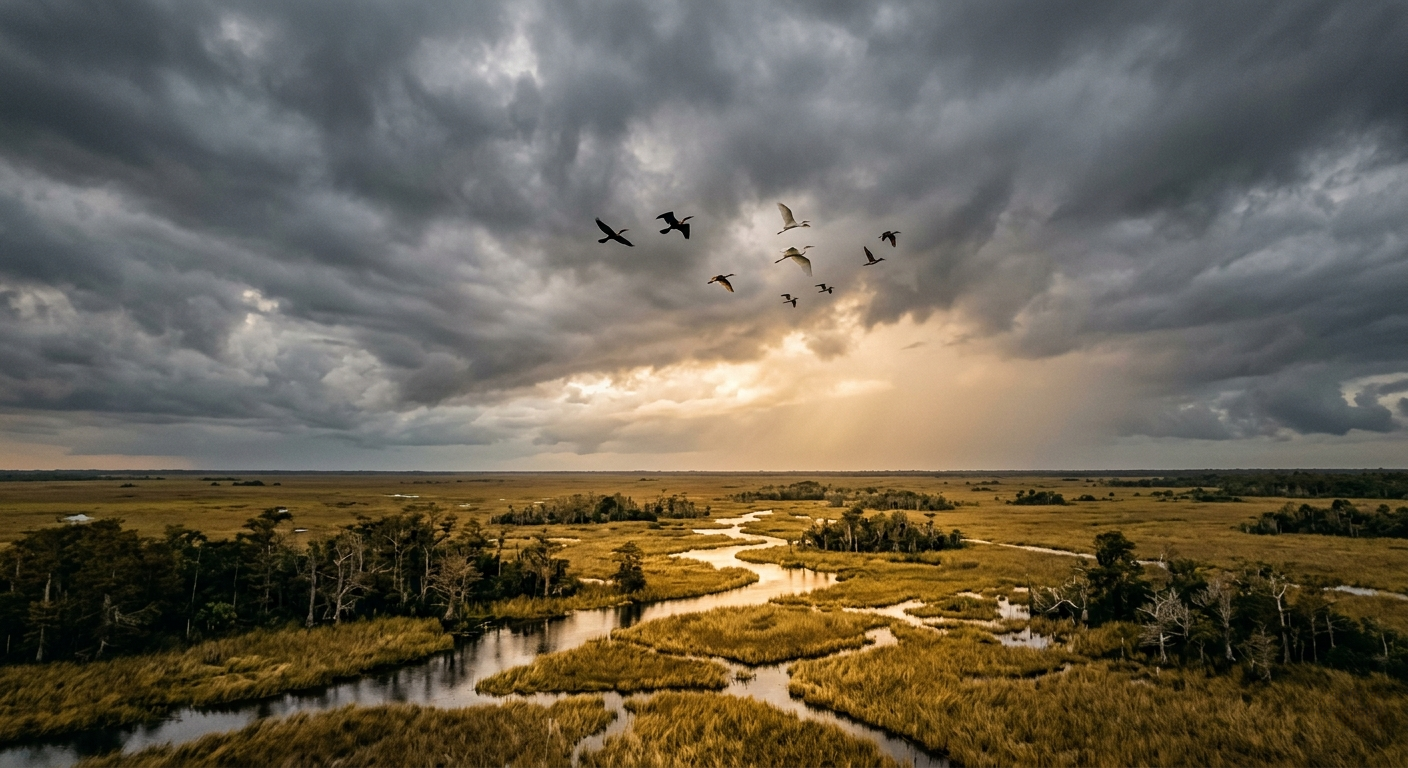
It's the first thing people bring up. Before the taxes, before the schools, before the commute — the question every prospective Florida transplant hears from well-meaning friends and family back home is some variation of: "But what about the hurricanes?"
It's a fair question. Florida sits in one of the most active hurricane corridors in the world, and if your only exposure to tropical weather has been cable news footage of Category 5 landfalls, the anxiety is understandable. But here's what the headlines don't tell you: living through hurricane season in Florida is, for most residents most of the time, far less dramatic than it looks on TV.
That doesn't mean it's nothing. It means it's manageable — if you understand it.
The Season, by the Numbers
Hurricane season officially runs from June 1 through November 30. That's six months on the calendar, but the genuinely active window is narrower — the peak period is mid-August through mid-October. Outside that stretch, significant storms are uncommon.
In any given year, the Atlantic might produce a dozen or more named storms, but only a handful become hurricanes, and fewer still make landfall in Florida. Many seasons pass with nothing more than a few days of heavy rain and wind. The years that produce a direct hit on your specific area are the exception, not the rule.
This isn't to minimize the risk. When a major hurricane does come, it demands serious attention. But the day-to-day reality of living in Florida during hurricane season is mostly warm, sunny, and entirely normal — punctuated by the occasional need to pay close attention to a weather system for a few days.
Florida's Building Codes Are Among the Strictest in the Country
After Hurricane Andrew devastated South Florida in 1992, the state overhauled its building codes. Homes built after 2002 in most of South Florida are engineered to withstand significantly higher wind loads than homes in almost any other state. Impact-resistant windows, reinforced roof connections, and concrete block construction are standard in newer builds. If you're purchasing a home, the age and construction quality of the property will directly affect both your hurricane resilience and your insurance costs. This is one of the most important factors to evaluate during the buying process — and one that newcomers frequently overlook.
Insurance: The Part That Actually Requires Homework
Florida's property insurance market is complicated, and it's the aspect of hurricane preparedness that deserves the most attention from new residents. Homeowners insurance in Florida is, on average, significantly more expensive than the national average. Several major carriers have pulled out of the state in recent years, and the remaining options require careful comparison. You'll need a standard homeowners policy plus, in most cases, a separate windstorm policy and a flood insurance policy (flood is not included in standard homeowners coverage and is administered through the National Flood Insurance Program or private carriers).
A few things to know:
Flood zones matter. FEMA flood zone designations directly affect your insurance costs and requirements. Properties in Zone X (minimal risk) will pay far less than those in Zone AE or VE (high risk). Your real estate agent should be able to pull flood zone data for any property you're considering.
Hurricane deductibles are different. Most Florida policies have a separate hurricane deductible, typically 2% to 5% of your home's insured value. On a $500,000 home, that's $10,000 to $25,000 out of pocket before coverage kicks in. This catches many newcomers off guard.
Shop early. Don't wait until you've closed on a home to start looking for insurance. Some policies take weeks to bind, and in an active hurricane season, carriers may temporarily stop writing new policies.
The Prep Culture: Calm, Practiced, and Community-Oriented
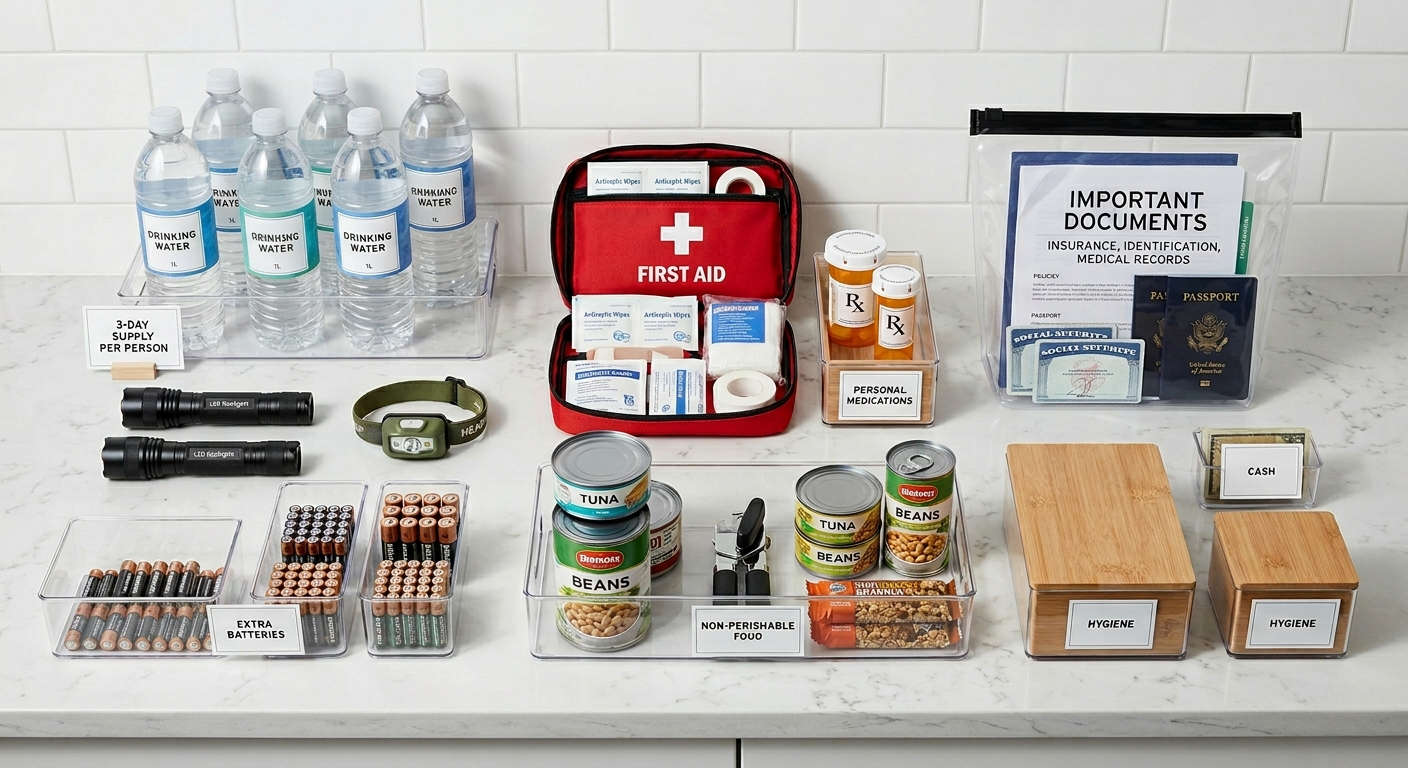
One of the things that surprises new residents most is how calmly Floridians handle approaching storms. This isn't recklessness — it's experience. Long-time residents have a system, and it works. The basics of hurricane preparation are straightforward: maintain a supply kit with water, non-perishable food, medications, important documents, flashlights, and batteries. Know your evacuation zone (these are lettered A through E and are based on storm surge risk, not wind). Have a plan for where you'd go if evacuation is ordered. Keep your car's gas tank full during peak season. Most of this becomes second nature within your first season or two. And the community aspect is real — neighbors check on each other, local hardware stores run prep workshops, and there's a shared understanding that everyone is in this together.
What a Hurricane Watch Actually Looks Like From the Inside
When a system develops in the Atlantic and models suggest it could affect your area, you'll have days of advance warning. Modern forecasting has improved dramatically, and by the time a storm is three to five days out, you'll have a reasonable idea of whether it's heading your way. During that window, you'll see a calm, methodical response: people filling prescriptions, buying extra water, checking their shutters, and topping off gas tanks. Local officials will issue updates, and if the threat is serious, evacuation orders will go out for vulnerable areas — primarily coastal and low-lying zones. Most storms pass with heavy rain, some wind, and a day or two of power outages. Life returns to normal quickly. The major events — the Category 4 and 5 direct hits — are rare, and when they do occur, the recovery infrastructure in Florida is better organized than almost anywhere else in the country.
The Honest Assessment
Living in Florida means accepting a level of weather risk that doesn't exist in many other places. But it also means living in a state that is exceptionally well-prepared for that risk — in its construction, its infrastructure, its emergency management, and its culture. The tradeoff, for most people, is one they're glad they made. The key is to be informed rather than afraid. Understand your property's specific vulnerabilities, carry the right insurance, maintain a basic prep kit, and pay attention when the National Hurricane Center says to pay attention. Beyond that, enjoy the sunshine. There's a lot of it.
Planning a move to Florida and want help evaluating properties with storm resilience and insurance costs in mind? Contact Adam Jacobs at adam@jacobsrelocation.com — he helps relocating families navigate every aspect of the transition, including the ones most people don't think about until it's too late.