
The Neighborhoods Nobody Tells You About: Southeast Florida's Best-Kept Secrets Beyond Boca and Miami
Ask someone who's never lived in Florida where they'd move, and you'll get the same three answers: Miami, Boca Raton, or maybe Palm Beach. These are fine places. They're also the places everyone already knows about — which means they're priced accordingly, crowded accordingly, and come with a set of expectations that may not match what you're actually looking for.
Southeast Florida's real magic is in the communities that don't make the glossy magazines but consistently rank among the most livable, walkable, and genuinely enjoyable places in the state. If you're relocating and want to find the neighborhood that fits your life — not just your Instagram feed — here's where to look.
Delray Beach: The One That Keeps Surprising People
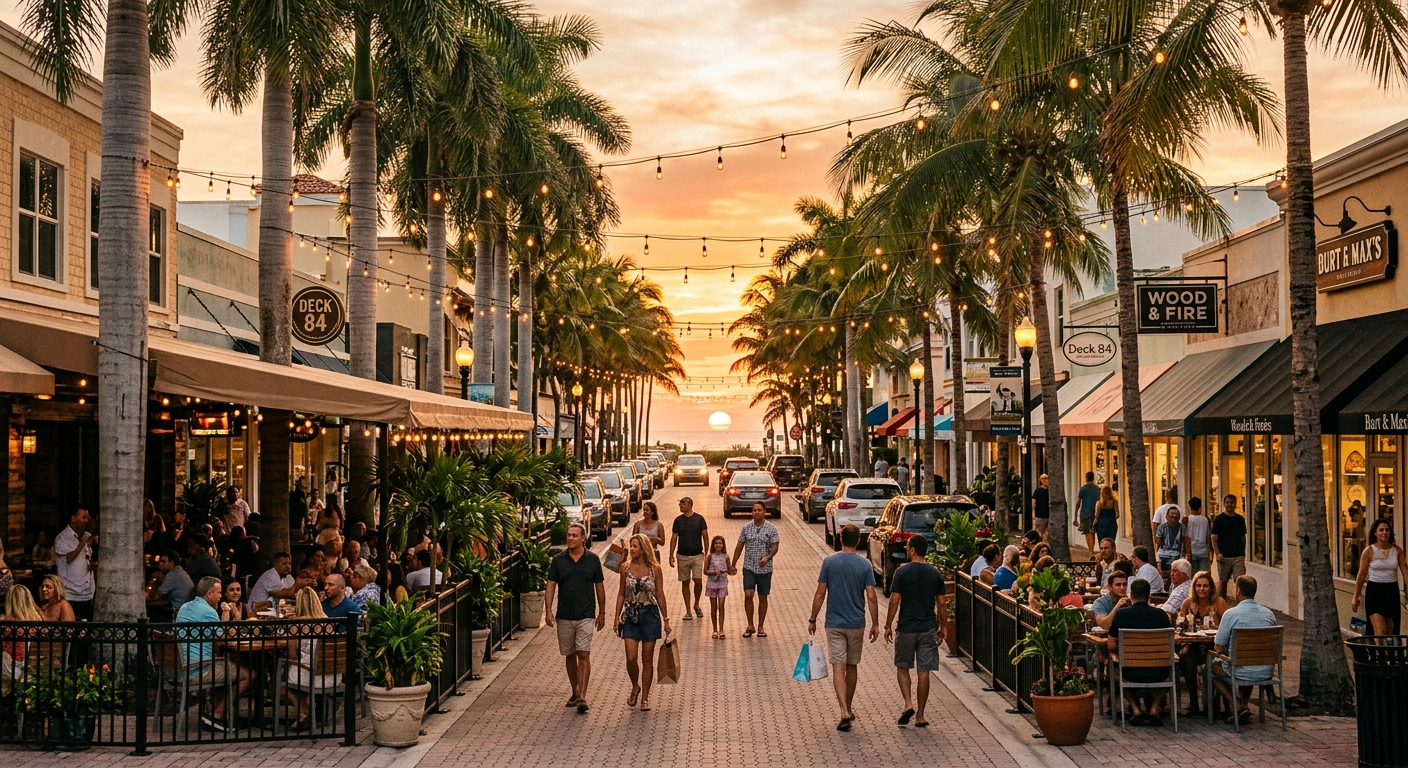
Delray Beach has been quietly becoming one of the best small cities in Florida, and anyone who's spent a Friday evening on Atlantic Avenue knows why. The downtown is vibrant, walkable, and full of independent restaurants, galleries, and shops — without the pretension or traffic of larger cities nearby.
What makes Delray exceptional for relocating families is the combination of a genuine downtown lifestyle with residential neighborhoods that feel suburban and spacious just a few minutes in any direction. You can walk to dinner, bike to the beach, and still have a backyard with a pool.
The public art scene is thriving, the farmer's market is one of the best in the state, and the community has a warmth that's increasingly rare. Delray also sits in a sweet spot geographically — roughly equidistant between West Palm Beach and Fort Lauderdale, with easy access to both.
For newcomers from urban environments who want culture and energy without the chaos, Delray Beach is often the answer they didn't know they were looking for.
Jupiter: Where Outdoor Living Becomes a Way of Life
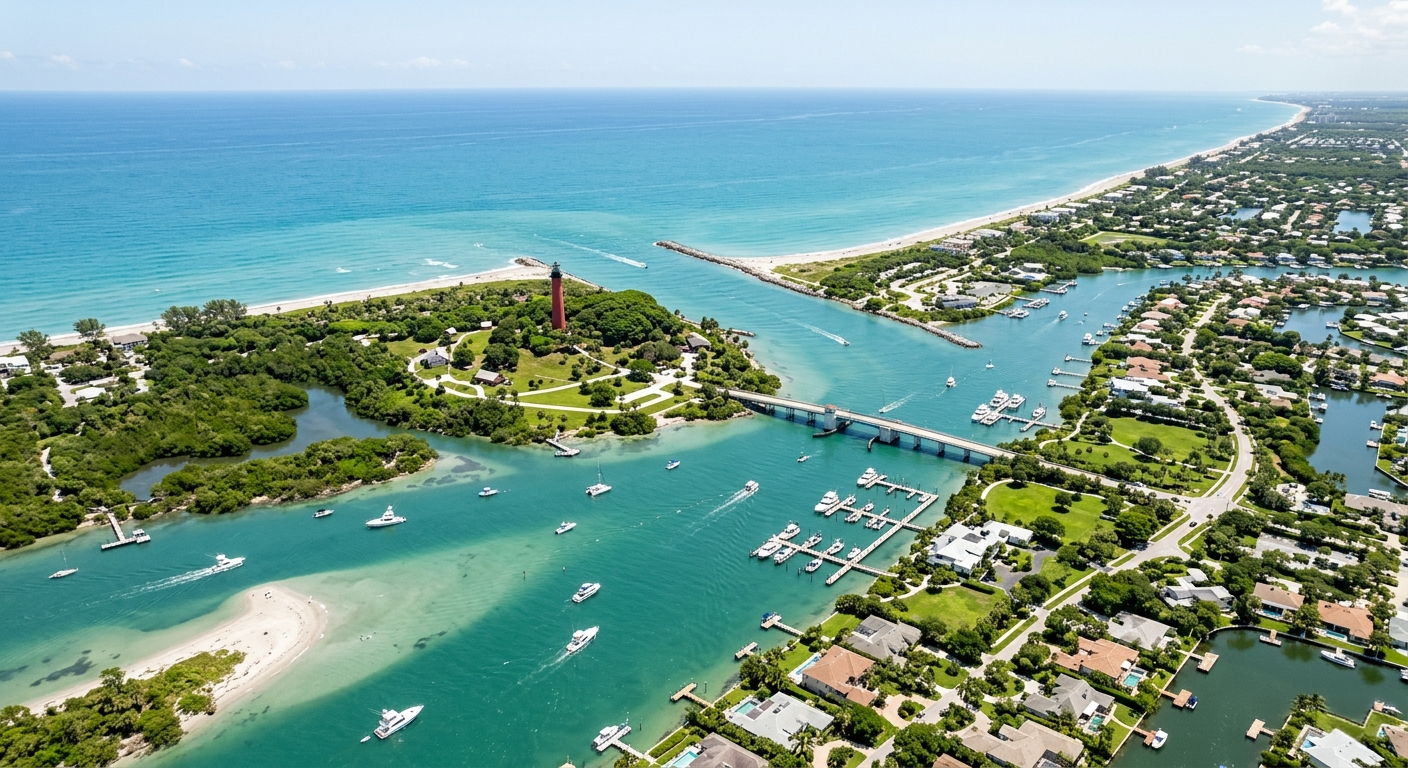
If Southeast Florida has a "nature capital," it's Jupiter. Located at the northern tip of Palm Beach County, Jupiter offers something that's increasingly hard to find in South Florida: space, quiet, and an almost rural sense of openness, all within 20 minutes of major amenities.
Jupiter's coastline is stunning, with Blowing Rocks Preserve offering some of the most dramatic natural scenery on Florida's east coast. The Loxahatchee River — one of only two federally designated Wild and Scenic Rivers in the state — runs through the area, and the surrounding parks and nature preserves are expansive.
For families, Jupiter is especially compelling. The schools are strong, the neighborhoods are safe and well-maintained, and the pace of life is noticeably slower than further south. Roger Dean Stadium brings spring training baseball, and the town's restaurant scene has matured considerably in recent years.
The tradeoff is distance. Jupiter is about 30 minutes north of West Palm Beach and more than an hour from Miami in good traffic. For remote workers or those who don't need to commute, that's not an issue. For those tied to an office in Miami or Fort Lauderdale, it's worth considering carefully.
Coral Gables: Miami's Most Civilized Neighborhood
Coral Gables is technically part of Miami-Dade County, but it operates with a distinct identity — and a level of civic pride — that sets it apart from the rest of greater Miami. The tree-lined streets, Mediterranean Revival architecture, and strict zoning codes give the city a sense of permanence and intentionality that's rare in South Florida.
The Miracle Mile commercial district has been revitalized in recent years, and the dining scene ranges from upscale Cuban to contemporary European. The University of Miami campus anchors the southern end of the city and brings cultural programming, lectures, and a youthful energy to the area.
For families relocating from cities like London or New York, Coral Gables often feels the most familiar — walkable, architecturally interesting, and community-oriented. The public schools within the Coral Gables boundary are among the strongest in Miami-Dade, and the private school options are numerous.
It's also home to one of South Florida's great hidden assets: the Venetian Pool, a spring-fed swimming pool carved from a coral rock quarry in the 1920s. It's exactly as beautiful as it sounds.
Lake Worth Beach: The Creative Underdog
Lake Worth Beach has long been the scrappy, artistic counterpoint to its more polished neighbors. Located just south of West Palm Beach, it has a downtown that pulses with independent coffee shops, galleries, vintage stores, and a thriving Latin American food scene. The housing stock is eclectic — you'll find 1920s bungalows, mid-century cottages, and newer construction all within a few blocks of each other. Prices remain lower than Delray Beach or Boca Raton, which has attracted a wave of young professionals, artists, and families looking for character over conformity.
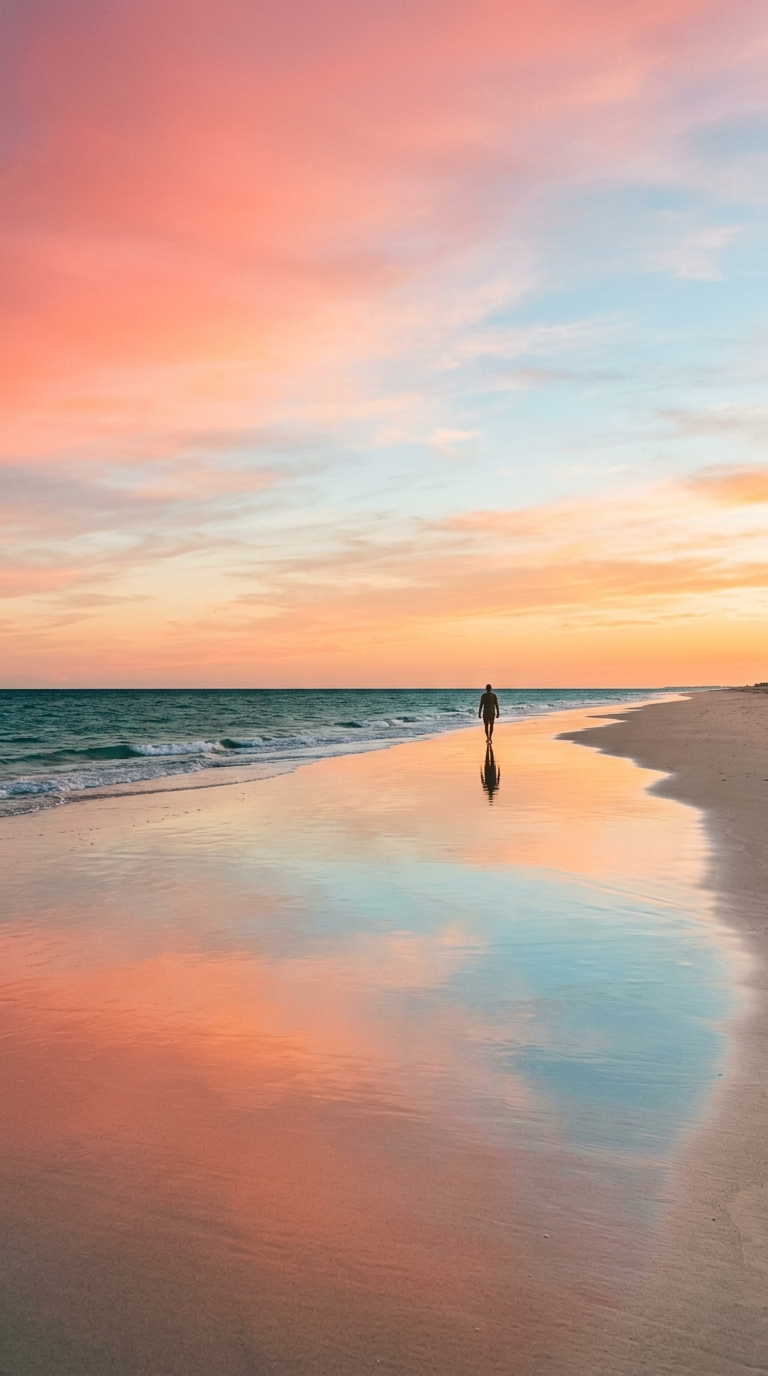
The beach itself is beautiful and far less crowded than its neighbors to the north and south. Bennys on the Beach is one of my personal favorites for a beach brunch. The cultural calendar is packed — the street painting festival, Lake Worth Live music series, and monthly art walks give the city an energy that punches well above its size.
Lake Worth Beach isn't for everyone. It's rougher around the edges than Boca or Jupiter, and some blocks are more polished than others. But for the right family — one that values authenticity and community over manicured perfection — it's one of the most rewarding places to land.
Parkland: The Family-Focused Suburb That Delivers
Parkland, in northwestern Broward County, is built around one thing: families. The neighborhoods are spacious, the schools consistently rank among the best in the county, and the parks and recreational facilities are extensive.
What distinguishes Parkland from other affluent suburbs is its commitment to green space. The city earned its designation as a certified Community Wildlife Habitat, and the abundance of nature trails, equestrian paths, and preserved wetlands gives the area a feel that's closer to a rural retreat than a suburban development.
For families with young children who prioritize safety, school quality, and outdoor space — and who don't need to be close to nightlife or a vibrant downtown — Parkland is hard to beat. It's about 30 minutes from Fort Lauderdale's beaches and cultural amenities, and close enough to Boca Raton and Coral Springs for dining and shopping.
Deerfield Beach: The Quiet Contender
Deerfield Beach sits at the border of Palm Beach and Broward counties and offers a beachy, unpretentious lifestyle at a price point that consistently undercuts its neighbors. The fishing pier, the boardwalk, and the wide, uncrowded beach give the area a laid-back coastal charm. For retirees, remote workers, and families looking for a less expensive entry point into Southeast Florida's lifestyle, Deerfield Beach is worth serious consideration. The housing market includes everything from modest condos to waterfront homes, and the location provides easy access to both Fort Lauderdale and Boca Raton. The downtown area is small but growing, with a handful of excellent restaurants and a farmer's market that's become a weekend institution. It's not flashy, and that's exactly the point.
How to Choose
The right neighborhood depends on what you're optimizing for. Families with school-age children will prioritize differently than remote-working couples or retirees. Proximity to an airport might matter more than walkability, or vice versa. Budget, commute, lifestyle, and community feel all factor in — and the only way to truly understand a neighborhood is to spend time there before committing.
Southeast Florida is not a monolith. It's a collection of distinct communities, each with its own character, and the difference between landing in the right one and the wrong one can define your entire experience of living here.
Want a personalized neighborhood tour based on your family's priorities, budget, and lifestyle? Get in touch with Adam Jacobs at adam@jacobsrelocation.com — he's lived the relocation himself and knows these communities from the inside.